
Plantations
Our journey doesn’t start in Belgium—it starts on the beautiful, diverse plantations of our partners around the globe.
Nature gives us an incredible gift in fine cacao, and our partner farmers do an exceptional job cultivating it.
We only work with plantations that are child-labor-free, eco-responsible, and certified organic. Most importantly, they pay their workers fairly for their expertise and premium harvest. Because doing things the right way is the only way.
Fermentation
Fermentation is where the magic of the terroir is truly unlocked. For roughly five to seven days, the wet cacao ferments in wooden boxes beneath layers of banana leaves. Special (and lucky) bacteria transform the sugar in the cacao fruit to alcohol (and then vinegar) . This is the crucial, craft-driven moment where our partners at the cooperatives define the soul of our chocolate.
Drying
After fermentation, the beans need patience to rest and stabilize. They are spread out on large wooden decks under the tropical sun, carefully raked and turned by hand to ensure a slow, even, and gentle process. This natural sun-drying phase halts the fermentation, safely reduces the moisture content, and locks in those complex, beautiful flavor profiles before the beans embark on their long journey.
Packing
The fully dried beans are carefully packed into breathable jute bags, ready to cross the ocean to our workshop here in Belgium. But our collaboration doesn’t always stop at the raw bean. In some cases, our partners in the country of origin actually send us pure cacao mass, having expertly processed the beans—roasting, winnowing, and pre-grinding them—right there at the source, strictly following our own MIKE&BECKY recipes.
Shipment to MIKE&BECKY
Before cacao reaches our workshop, it has already travelled quite a journey. We work with specialised cacao importers — Crafting Markets, Original Beans, Silva and Nahu — who are much more than importers. They are cacao hunters, agroforestry specialists and passionate connoisseurs of origin, constantly travelling, tasting, visiting farms and searching for exceptional cacao and the people behind it.
We have travelled with them to countries of origin and seen them in action: asking the right questions, tasting, exploring and connecting with farmers. It is always inspiring — and a little awe-inspiring.
Getting specialty cacao into the EU also requires serious expertise, from logistics and documentation to food-safety and regulatory requirements. They make that complex journey possible.
WHAT WE DO
Roasting
Just like with specialty coffee, roasting is where the magic truly begins. When the beans enter the roaster, gentle heat transforms their raw, bitter traits into rich, complex aromas.
As the moisture evaporates, the natural sugars and amino acids develop, unlocking the unique tasting notes—from bright fruits to deep nutty undertones—specific to the unique personality of each cacao origin.
A perfect example of roasting technique is our Light Roast bar: by lightly roasting our Indian cacao, we preserve its naturally subtle, honey-sweet notes rather than masking them behind a heavy roast.
Winnowing
Once the beans ar roasted and cooled, it’s time to get to the heart of the flavour. We gently crack the outer shells open, then use a winnowing machine to blow away the husk. What’s left behind are the pure, crunchy cacao nibs ready for the grinding stones
Grinding
Patience is everything here. Over days of continuous stone grinding, the crunchy nibs are transformed into a velvety liquid chocolate, while a slow mixing process called “conching” mellows out any sharp acidity.
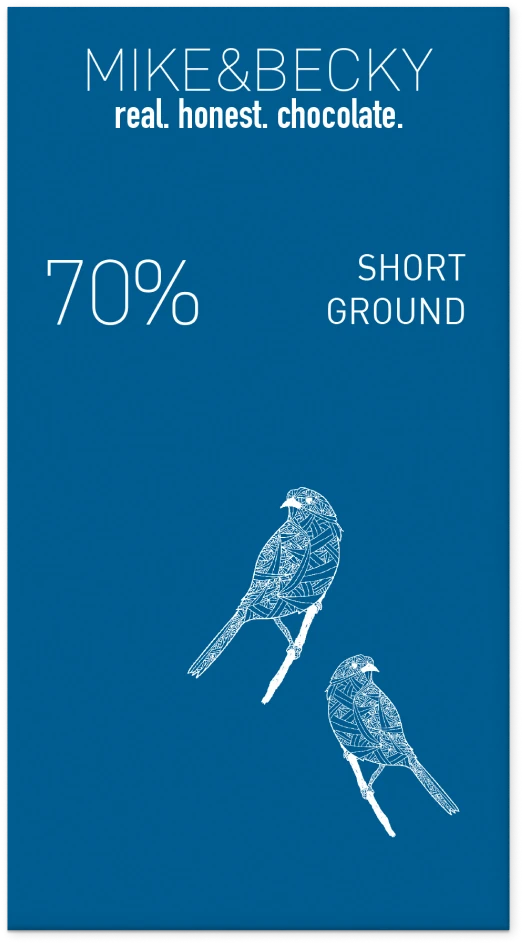
But we also love to experiment with how time shapes texture. In our Short Ground bar, we stop the heavy stone wheels at 12 hours—exactly one third of our usual grinding time. This leaves a unique, rustic texture that offers a completely different, surprising melting experience on the tongue.
Tempering
This is the grand finale. To give our chocolate its brilliant shine and satisfying, crisp snap, we must temper it – a precise dance of heating and cooling that brings the cocoa butter into its most stable crystal structure.
Once perfectly tempered, the liquid gold is poured into our signature molds, gently vibrated to remove any trapped air bubbles, and left to set. The result? A glossy, beautifully finished bar ready to be wrapped and enjoyed.
Eau de Bière 72%
€ 7.45
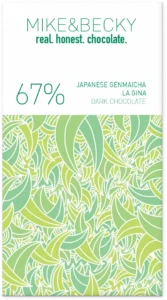
Japanese Genmaicha 67%
€ 6.95
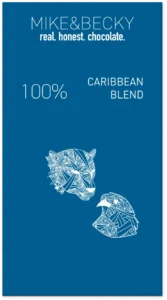
Caribbean Blend 100%
€ 6.95
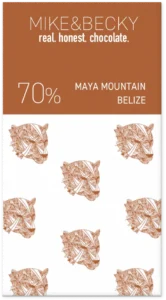
Maya Mountain Belize 70%
€ 6.45